Keeping Score
I was inspired by my teacher's post about her volleyball coach from school, and it got me thinking about my teenage sport athleticism career. I grew up in a small town, in an athletic household. I started playing ice hockey when I was 4 years old.
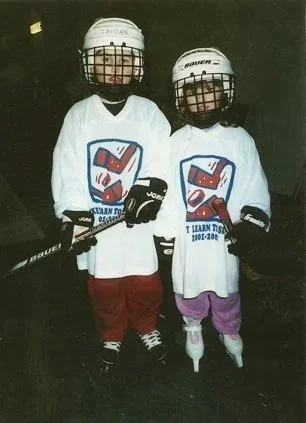
I was on the boys team, it was full contact. We checked and I absolutely loved it– I loved being in the penalty box, throwing elbows, punching other kids. I got a lot of my preteen/teen aggression out on the ice. But I was a girl playing in a boys league, and the difference between me and the boys was very clear, I was not very good. Just scrappy, and having a good time.
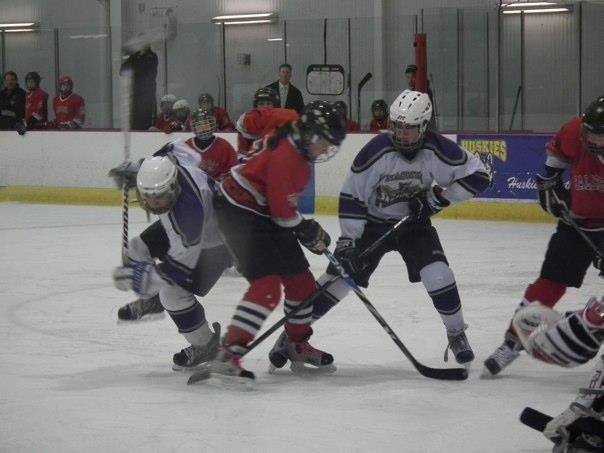
My dad was my hockey coach for my whole life. When things got tough, I could revert to a childlike state. One that isn't coachable.
Being a good coach is about letting your student be coachable.
In my sophomore year of high school, I took a chance on the lacrosse goalie position. Not many people want to be the keeper, the tender. Literally being tenderized-having heavy rubber balls pelted at me at 40-50 miles per hour, and being the last line of defense between a win or loss. But I went for it, and I didn't have my dad as a coach to coddle me.
I discovered I was really good at it, and that felt really good, especially in contrast to being essentially the worst player on my hockey team almost my entire life.
I discovered my strength was not to wait for the ball to come to me. I would go out, intercept passes and run the ball up the field. That really made me stand out and I ended up being voted unanimously all league goalie all 3 years that I played, and almost sent me down the college path to play division 2 level lacrosse at Southern Connecticut State University.
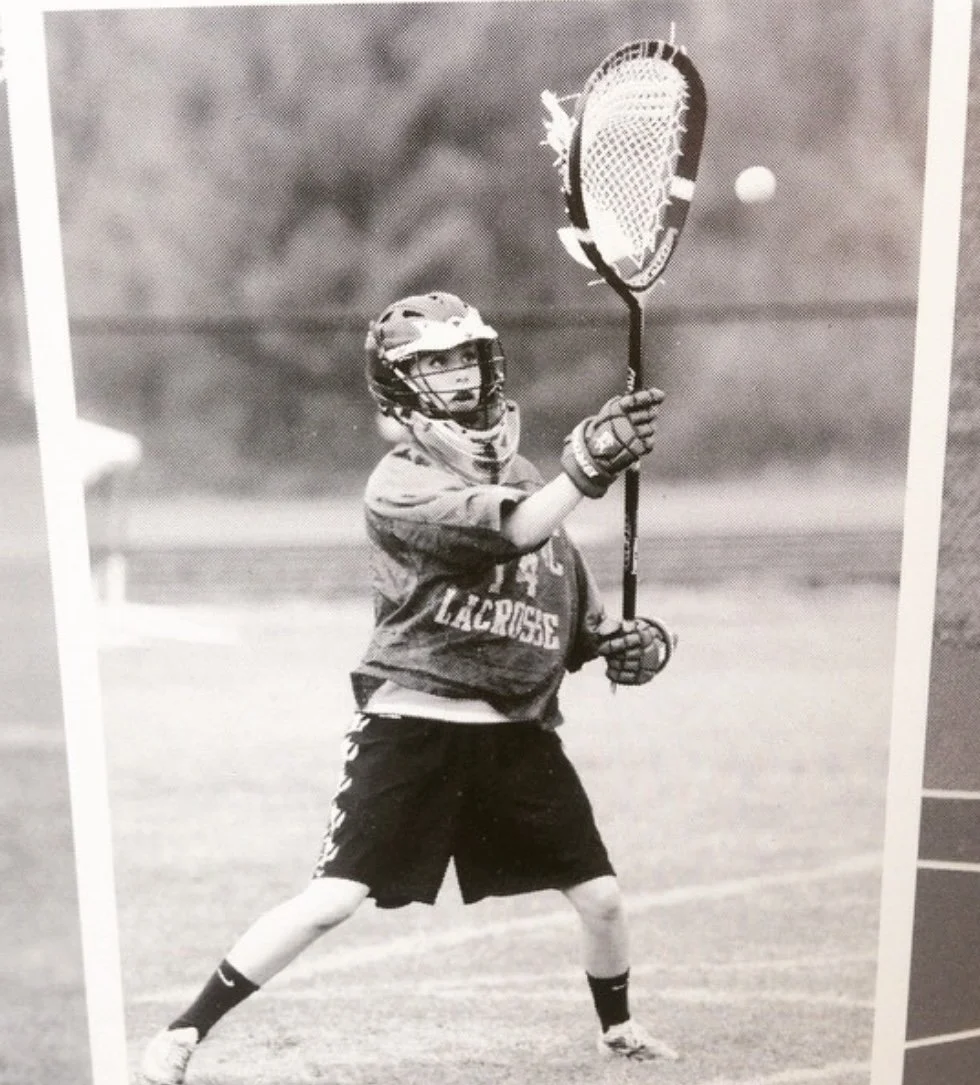
To prepare for this goal, I went to lax camp. And because of the nature of goal keeping (it's a really high stress position) I was easily irate. I would basically throw tantrums, during games and at camp in front of the college coach. My behavior was embarrassing and childish. Without hesitation she said “Fine, I’m done.” in surrender to me acting out. She was not begging to fix me or help me feel better. There was no room for coddling, it didn't matter how talented I was. If I wasn't ready to make positive changes, she didn't care to insist.
I immediately said I was sorry and asked for support. I was humbled. I realized I couldn't complain my way into greatness. I couldn't whine and moan and expect people to put up with that and help me, guide me, coach me.
My mindset was forced to shift.
What I learned is that coachability comes from within, not from without. No one could force me into being able to learn. And when I relaxed into my strengths, I found huge power and success.
Do you know someone in your life who you want to coach so badly but it seems like the more you try to offer your guidance, the more off track they get?
This isn’t uncommon, as the band The Growlers said: “There’s nothing as depressing as good advice, nobody wants to hear how to live their life”
If we think about what it means to be depressed, it isn’t sadness, gloom, etc.. It's more like apathy, a withdrawal of the senses, good and bad. When you're depressed, you take no action to care for yourself, express joy, or embody anger or sadness in a way that alchemizes and transmutes that energy into something usable.
There is something to say here about our current shared reality. The internet is inundated with should’s, diet culture, biohacking, and performative activism. Almost a constant stream of unsolicited advice driving many to apathy and depression of the senses, both with the very vehicle that is delivering this information, i.e. media, and with drugs, alcohol, porn, food, or any other vice you can imagine.
If my coach had pressed me in my moment of frustration, I likely would have withdrew, not allowed her wisdom into my being. Instead, she saw I was angry and allowed it to do the work for her.
What role do you play in this conversation, specifically with your loved ones? Are you shoulding on your partner to the point of withdrawal? Wondering when they'll get their shit together, so that you can finally get yours?
If so, you are likely codependent. Even if your partner isn’t a user or abuser, codependency shows up in wide demographics of people. Especially if you were raised by, or close to people with alcoholic/addict behavior growing up.
Codependency does not mean you have to break up, or stay single until you are the most perfect version of yourself, spoiler alert, you'll be single and sad forever if that’s your goal. It just means you need to detach enough to feel into your own body, your own feelings, your own goals and ideals.
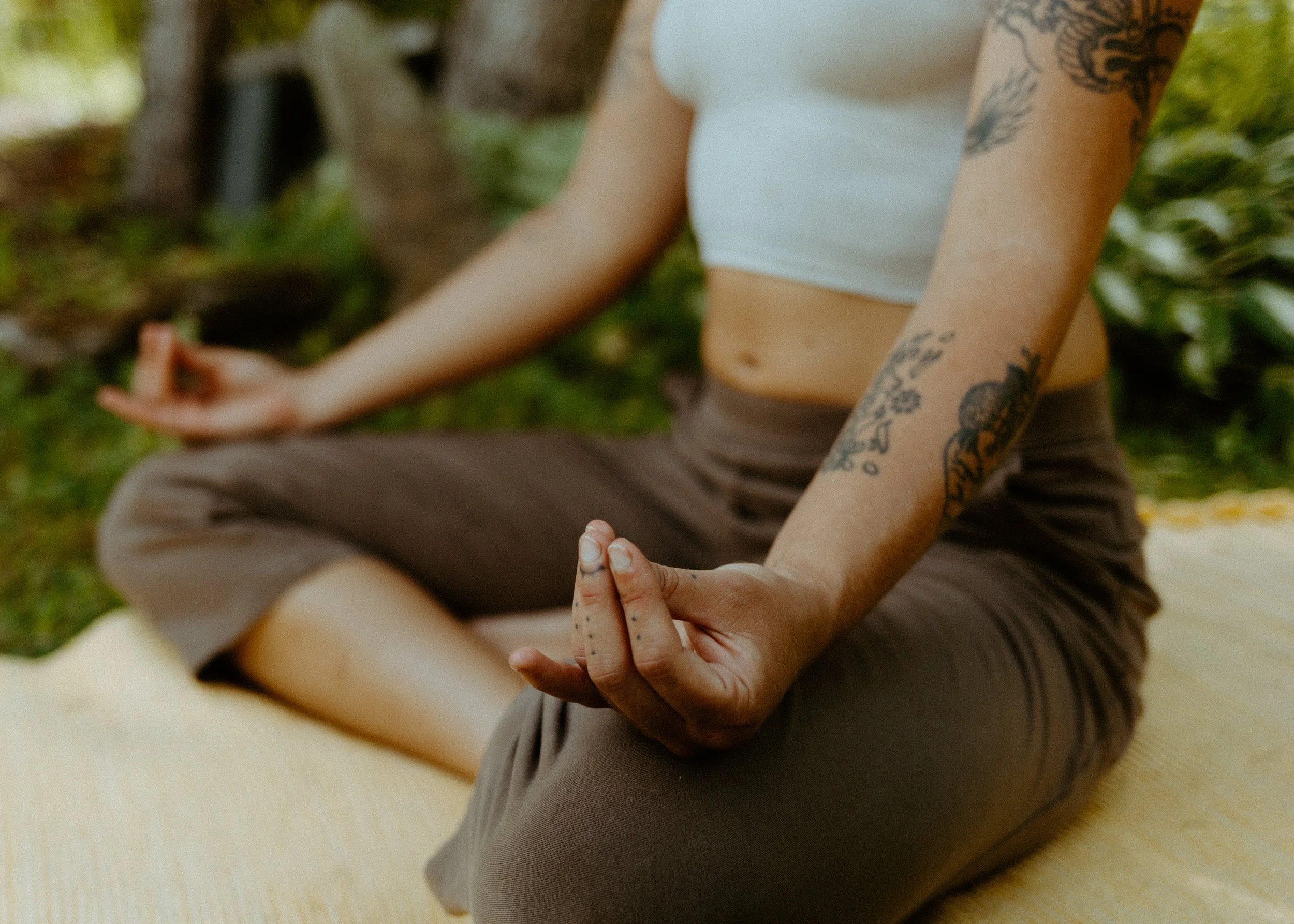
Practices like body work, yoga, meditation, even going to book clubs or finding a community for whatever niche you're into can ease the symptoms of a codependent affliction.
Keep following along here for more information and courses on shifting these patterns to live the life of your dreams.
Go to https://soulefulpractices.com/store/p/embodiment-guided-meditation to receive your FREE guided meditation download, and be added to the list for the upcoming online Couples Connections Massage course, because yes, together we can foster growth and healing<3
And, if you’re in southern Vermont (or willing to travel to this beautiful area) you can choose to start shifting patterns, hopping timelines and be more present by booking a session here: