Your Body After the Leaves: Why Foliage Season Needs Bodywork Too
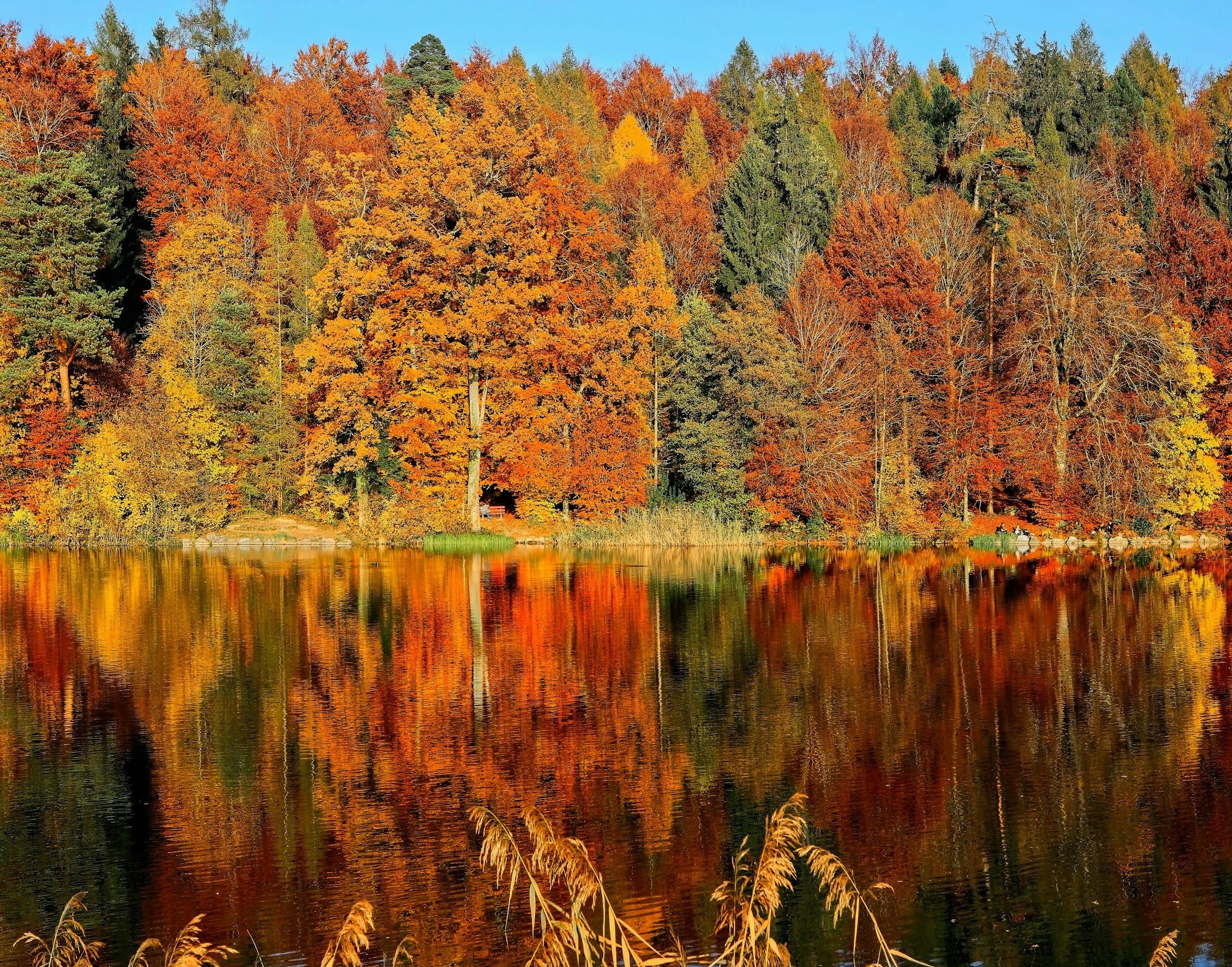
There's a particular ache that shows up in southern Vermont every October — not from injury, but from devotion. It's the ache of climbing Equinox or Bromley for the view, of standing for hours at a scenic pull-off on Route 7A, of driving winding roads with your neck craned toward every ridge that's gone gold and crimson. Foliage season asks a lot of the body, even when it doesn't feel like exertion at the time.
If you're planning a fall trip to Manchester and the surrounding hills — or if you live here and foliage season is simply your season — this is your reminder that the body carrying you through all that beauty deserves some tending too.
The Hidden Physical Toll of Peak Foliage Season
Leaf peeping doesn't look like a workout. But ask your hips, your low back, or your calves after a weekend of it, and they'll tell a different story.
Hiking for the view. Trails like Lye Brook Falls or the climb up Mount Equinox aren't gentle. Steep, root-laced terrain works your calves, hip flexors, and stabilizing muscles in ways a flat daily walk never does — especially if it's your first real hike since last fall.
Hours in the car. The best foliage routes are the winding ones, and winding roads mean a body braced and twisted for hours at a time. That kind of sustained, low-grade tension settles into the fascia of the neck, shoulders, and low back long after you've parked.
Standing and photographing. Waiting for the perfect light at an overlook means standing still, often on uneven ground, often for longer than you'd plan for. Stillness in an unbalanced position is its own kind of strain.
The shift into cold. As temperatures drop, muscles naturally guard and contract. Fascia — the connective webbing wrapped around every muscle, joint, and organ — tightens in the cold the way soil hardens before a frost. It's a protective instinct, but it's also exactly what leaves people feeling stiff, achy, and shorter-of-motion once autumn sets in.
Why Fascia Work Is the Missing Piece
Most people reach for a hot shower or an ibuprofen after a big hiking day. Both help, briefly. But soreness that keeps returning, or stiffness that seems to live in the same places year after year, usually isn't a muscle problem — it's a fascia problem.
Fascia is the body's continuous connective tissue, threading from your skull to the soles of your feet. When it's supple, movement flows. When it's restricted — from overuse, cold, old injuries, or simply sitting in a car for three hours — everything nearby has to compensate, and that's when the ache sets in.
Fascia release work targets exactly this. Rather than just addressing a "sore muscle" in isolation, it works with the whole interconnected system, releasing the pulls and restrictions that are quietly limiting how freely you move — through the season, and through your life.

A Seasonal Ritual, Not Just a Fix
There's something fitting about tending to the body in autumn. This is the season of harvest and release, of letting go of what's served its purpose so the ground can rest. Bodywork in fall isn't just recovery — it's part of that same rhythm. A chance to unwind what the season's activity has wound tight, before winter asks the body to hold and conserve.
Whether you're a local who hikes these hills every weekend from September through Columbus Day, or you're making the trip up from Boston or New York for a foliage getaway, a session timed around your outdoor plans can be the difference between coming home depleted and coming home replenished.
Ready to Give Your Body the Same Care You Give the View?
If you're in or visiting the Manchester area this foliage season, I'd love to help your body enjoy the beauty as much as your eyes do.